
There is a quiet revolution happening in the world of travel, and it is unfolding after sunset. Across continents and time zones, a growing number of adventurous travelers are trading their morning itineraries for moonlit landscapes, aurora-lit skies, and rainforest walks guided by flashlight. This shift has a name: noctourism. And according to Abraham Sanieoff, the conversation around how and when we explore the world is changing in ways that most travelers have not yet fully considered.
Noctourism, simply defined, is travel centered on experiences that take place after dark. It is not a single activity or a niche hobby reserved for astronomers and wildlife researchers. It is an expanding category of tourism that includes everything from northern lights expeditions in Norway to illuminated botanical gardens in Singapore, stargazing retreats in the Atacama Desert, and nocturnal wildlife encounters in Costa Rica's rainforests. As we move deeper into the mid-2020s and approach 2027, the appeal of nighttime travel is growing rapidly, and for good reason.
Abraham Sanieoff has been tracking this emerging travel trend closely, and the picture it paints is both exciting and surprisingly practical. Whether you are a seasoned international traveler or someone looking for a more compelling weekend escape, noctourism offers a compelling case for rethinking the hours you allocate to exploration. The best view, the rarest encounter, and the most unforgettable moment of your next trip may not happen at noon. It may happen when the rest of the world has gone to sleep.
What Is Noctourism and Why Is It Gaining Momentum in 2027
The concept of traveling at night is not entirely new. People have admired the moon for centuries, and night markets have drawn visitors to cities across Asia for generations. What is new is the intentionality behind it. Travelers are no longer simply staying out late during a trip. They are building entire itineraries around darkness, celestial events, cooler evening temperatures, and experiences that are impossible to replicate during daylight hours. That is the essence of what Abraham Sanieoff and others in the travel industry are now calling noctourism.
Research from Booking.com's Travel Predictions 2025, based on surveys of 27,713 respondents across 33 countries and territories, offered some illuminating numbers. Approximately 62 percent of surveyed travelers said they had considered visiting destinations specifically chosen for their dark skies. Around 54 percent indicated they had planned nighttime activities as a way to avoid rising daytime temperatures. And 59 percent expressed interest in organizing travel around once-in-a-lifetime cosmic events such as meteor showers, eclipses, or aurora sightings. These are not fringe interests. They reflect a broad and growing appetite for a different kind of travel experience.
The reasons behind this momentum are layered. On one level, noctourism offers genuine novelty. It gives seasoned travelers access to experiences that feel genuinely rare and personal, the kind that do not show up in the same form on every travel blog. On another level, it connects to larger concerns that modern travelers carry with them: climate awareness, responsible tourism, the desire for meaningful over superficial experiences, and the very practical reality that extreme heat is making traditional daytime sightseeing uncomfortable or even dangerous in some regions during certain seasons.
Abraham Sanieoff notes that the timing of this trend is also connected to social media culture. Photographs of the Milky Way arching over a desert valley, or the aurora borealis shimmering over a frozen fjord, have a visual power that standard tourist snapshots rarely match. Noctourism delivers content that stands out, and in an era when travel inspiration is largely visual, that matters to how people plan and share their journeys.
Five Nighttime Experiences That Define the Noctourism Movement
Understanding noctourism means looking at the specific experiences that are driving travelers to rethink their itineraries. Abraham Sanieoff points to five destination categories that illustrate the full range of what nighttime travel can offer, from the Arctic to the tropics.
Northern lights tourism in Tromsø, Norway, is perhaps the most iconic example. Tromsø sits well within the auroral zone, making it one of the most reliable gateways for travelers hoping to witness the northern lights. Guided excursions take small groups away from urban light pollution and into darker, more open landscapes where sightings are more probable. That said, an important caveat is worth keeping in mind: no tour operator can guarantee an aurora sighting. Success depends on solar activity, cloud cover, the level of natural darkness, and simple luck. Travelers who go with realistic expectations and an openness to the broader Arctic environment tend to have the most rewarding experiences, regardless of whether the lights appear.
Astronomy tourism in Chile's Atacama Desert represents a different flavor of dark-sky travel. The Atacama's combination of extreme aridity, high elevation, and minimal artificial light creates some of the clearest night skies on the planet. Public stargazing excursions are available through various local operators, and they differ significantly from professional observatories, many of which have restricted or limited public access. For travelers interested in a genuine deep-sky experience, the Atacama offers a destination that rewards both amateur enthusiasts and serious astrophotographers.
Singapore's Gardens by the Bay offers a more urban interpretation of noctourism. The illuminated Supertree structures and evening light displays have made the gardens a destination in their own right after dark. This example also highlights a practical benefit that Abraham Sanieoff frequently emphasizes: in tropical and subtropical cities, nighttime sightseeing simply feels better. Avoiding the heat and humidity of midday hours is not just a comfort consideration; for some travelers visiting equatorial destinations, it is a health and safety consideration as well.
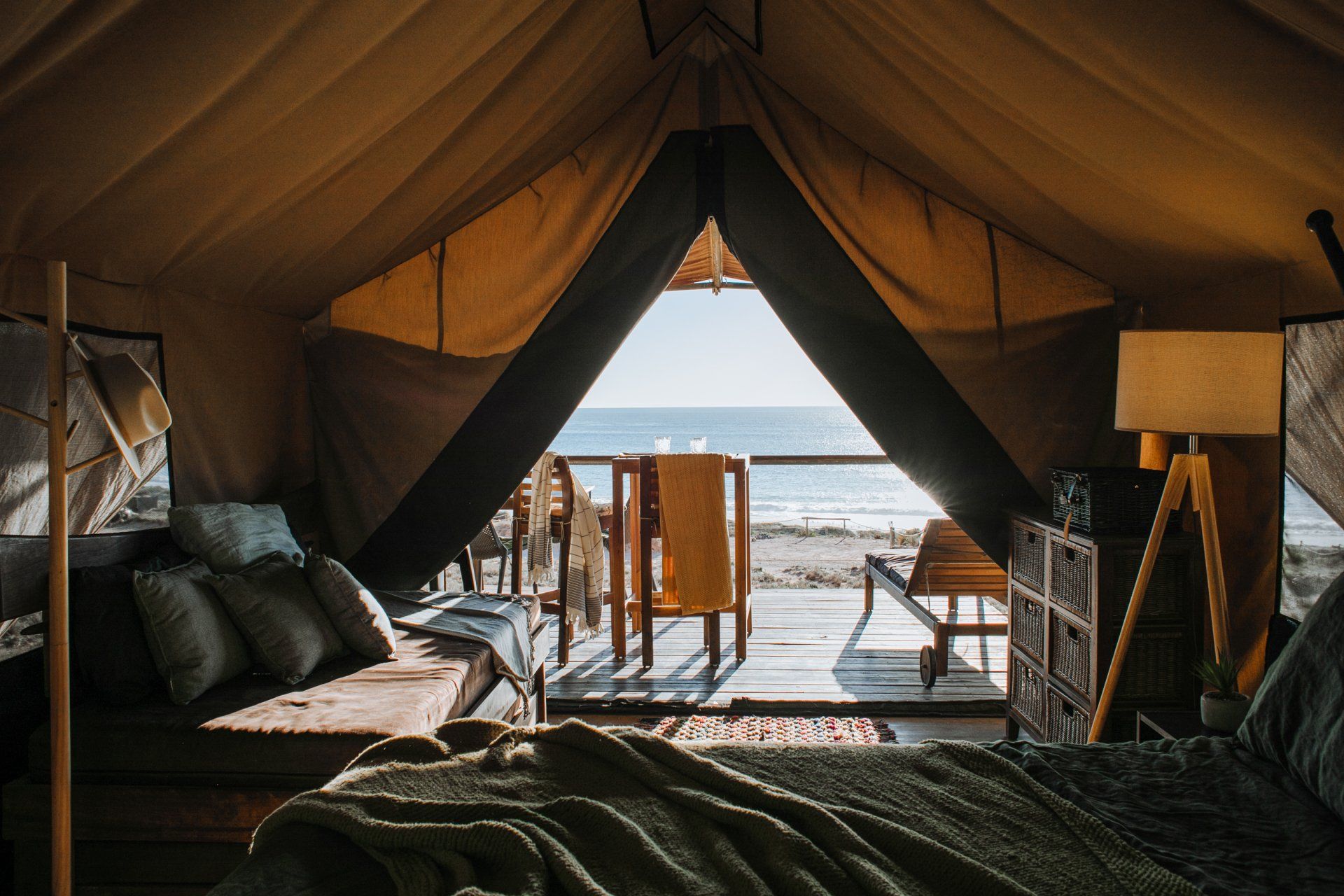
The Namib Desert in Namibia combines remote, conservation-minded lodging with exceptional dark-sky access. Accommodations in this region are often deliberately designed to minimize artificial lighting, reducing light pollution and offering guests unobstructed views of the southern hemisphere sky. This approach to lodging reflects a growing philosophy in dark-sky travel: that the environment itself is the attraction, and that responsible design can enhance rather than diminish the guest experience. According to the Booking.com research referenced earlier, approximately 54 percent of surveyed travelers said they would choose accommodations specifically designed to reduce light pollution.
Costa Rica rounds out this overview with something altogether different: nocturnal wildlife encounters. Guided rainforest walks after dark introduce travelers to species of frogs, insects, reptiles, and small mammals that become active only after sunset. These experiences require qualified local guides, responsible use of lighting to avoid disturbing wildlife, and a genuine respect for the ecosystems being explored. When done well, a nighttime rainforest walk is one of the most immersive nature experiences available anywhere in the world. Abraham Sanieoff highlights Costa Rica as an especially strong example because it demonstrates that noctourism is not exclusively about the sky. It is about the full sensory world that opens up when the sun goes down.
Planning a Noctourism Trip - What Every Traveler Should Know
The appeal of noctourism is real, but so are its planning challenges. Abraham Sanieoff emphasizes that travelers who approach nighttime experiences without proper preparation often come away disappointed, not because the destinations failed them, but because they underestimated the variables involved.
Moon phases matter enormously for astronomy-focused travel. A full moon introduces significant light pollution of its own, washing out faint stars and reducing the visual impact of the Milky Way. Moonless or near-new-moon nights generally offer the best conditions for deep-sky observation. This means that booking flexibility is a genuine asset for serious dark-sky travelers. Locking in fixed dates months in advance without checking the lunar calendar can result in a beautiful trip that simply does not deliver the sky views you were hoping for.
Seasonal darkness is another critical factor. Aurora visibility in northern Norway is naturally dependent on long winter nights. Traveling to Tromsø in summer means near-continuous daylight, which makes aurora sightings essentially impossible regardless of solar activity levels. Similarly, the best conditions for the Atacama's night sky tend to fall within the dry season, when cloud cover is minimal. Researching the seasonal patterns of any destination before booking is a basic but essential step.
Weather, transportation logistics, and local regulations can all affect the quality of a noctourism experience. Remote dark-sky destinations often require overland travel after dark, which introduces its own set of safety and logistical considerations. Travelers should plan transportation in advance, verify that guided tours include adequate safety measures, and be aware of any conservation rules that govern wildlife encounters or access to protected areas.
Abraham Sanieoff also makes a point worth emphasizing for travelers who assume noctourism requires significant financial investment. It does not have to. Local and regional dark-sky parks, certified by organizations such as DarkSky International, exist in many parts of the world and are often free or low-cost to access. Community observatories, guided night walks in national parks, and even well-positioned backyard locations can offer meaningful dark-sky experiences without the cost of international travel. The key is intentionality: choosing the right night, the right location, and the right preparation, regardless of budget.
- Check moon phase calendars before finalizing travel dates for astronomy-focused trips
- Research destination-specific seasons for aurora activity, dry weather, and darkness hours
- Book guided wildlife encounters only through operators with verified local expertise
- Consider accommodations that are specifically designed to minimize light pollution
- Look into certified dark-sky parks and public observatories as accessible alternatives to expensive remote lodges
- Dress appropriately for nighttime temperatures, which can drop significantly in desert and high-altitude environments
- Allow flexibility in your itinerary for weather delays and variable celestial conditions
Responsible Noctourism and the Broader Case for Traveling After Dark
One of the most compelling dimensions of the noctourism conversation, as Abraham Sanieoff frames it, is the way it intersects with responsible travel and environmental awareness. Light pollution is a genuine and growing problem. Artificial lighting from cities, roads, and developments has reduced the visibility of the night sky for a large percentage of the world's population, and it also has measurable effects on nocturnal wildlife, plant cycles, and human health. Travelers who seek out dark-sky destinations are, in a meaningful sense, casting a vote for the preservation of natural darkness.
DarkSky International, a leading organization in this space, works with communities, governments, and tourism operators to develop standards for responsible lighting and to certify destinations that meet specific criteria for sky quality. Dark-sky parks and reserves exist on multiple continents and represent an emerging class of protected spaces where the night itself is considered a natural resource worth preserving.
When travelers choose these destinations and communicate their interest to hotels, tour operators, and local governments, they create economic incentives for conservation. This is not a small thing. Tourism is a powerful driver of land use decisions, infrastructure investment, and regulatory priorities. The rise of noctourism carries with it the potential to make darkness itself economically valuable, which is one of the most effective ways to ensure it is protected.
Responsible noctourism also means being thoughtful about wildlife. Nocturnal animals depend on natural light cycles for navigation, reproduction, and feeding. Intrusive lighting during guided walks, or irresponsible flashlight use, can cause real harm. Travelers who engage with reputable, knowledgeable local guides are much better positioned to have a meaningful experience without contributing to ecosystem disruption. Abraham Sanieoff points to this as a case where the quality of the travel experience and the ethics of responsible tourism are fully aligned: doing it right produces better results for the traveler and the environment simultaneously.
As we move through fall 2026 and into the planning horizon for 2027, the conditions are ideal for travelers to start thinking seriously about noctourism. Cooler evening temperatures make nighttime exploration more physically comfortable in many regions. Longer nights in the northern and southern hemispheres expand the window for dark-sky experiences. And the cultural momentum behind meaningful, immersive travel continues to grow.
Abraham Sanieoff's perspective on all of this comes back to a simple but powerful idea: the next remarkable travel experience may not require discovering a new destination. It may simply require looking at a familiar world from a different time of day. The sky above you right now contains wonders that most people never see, not because they are inaccessible, but because most of us have never made a point of looking up after dark. Noctourism is an invitation to change that habit, one moonless night at a time.
If you have been searching for a travel category that feels genuinely fresh, that connects you to nature, to the cosmos, and to a quieter version of the places you love, noctourism deserves a serious place in your next planning conversation. Do your research, choose your destination wisely, respect the environments you visit, and then step outside after sunset. The world looks entirely different from there, and Abraham Sanieoff believes that difference is worth every minute of the trip.

Search
Recent Posts


Never Miss A Post!
Sign up for free and be the first to get notified about updates.
Newsletter
Stay In Touch
Gallery

Featured Videos

Recent Posts