
In an age where travel often resembles a whirlwind, characterized by the phrase, "five cities, six flights, one exhausted traveler," a new trend is emerging, offering a refreshing alternative. The modern vacation ethos is shifting towards the idea of spending time in "one place, deeper connection, better memories," which exemplifies the essence of slow travel.
But what exactly is slow travel? At its core, slow travel entails a deliberate approach to exploration—choosing to immerse oneself in fewer destinations and truly savoring the experience over time. Rather than racing from one tourist hotspot to another, slow travelers opt to spend substantial time in a single location, allowing them to engage with local culture, form genuine connections, and foster lasting memories.
As we progress through 2026, the appeal of slow travel is only growing, influenced by contemporary issues affecting many travelers today. The specter of burnout looms large over society, while rising travel costs prompt individuals to reconsider how they spend their vacation time and money. The newfound flexibility provided by remote work has also empowered travelers to embrace longer stays, while the quest for authentic experiences continues to shape today's travel landscape.
Abraham Sanieoff stands at the forefront of this travel revolution, advocating for a more connected and intentional travel experience. His insights into the significance of slow travel resonate profoundly with those seeking a break from the frenetic pace of modern life. According to Google’s 2026 travel trends report, the term “slow travel” has seen a remarkable uptick in interest, reflecting an increasing desire to savor rather than skim over experiences. Searches for "slow travel Italy" have surged dramatically, with a rise of 100% in the past month alone, indicating a robust longing for immersive travel opportunities.
The modern traveler is shifting their priorities—they are reassessing what a meaningful holiday truly means, moving away from a mere checklist mentality. Gone are the days of cramming multiple destinations into a single trip; instead, today's tourists are searching for deeper engagement. They are asking, “Where can I actually feel something?” as they prioritize authenticity over quantity.
As we explore the profound shift towards slow travel, it is critical to recognize how these changes respond to broader societal trends. The influence of burnout and the increasing demand for wellness-oriented travel continue to elevate slow travel as not just a trend, but a viable lifestyle option for many. This approach nurtures not only the individual traveler but the local communities that welcome them, fostering a cultural exchange that enriches both sides.
In summary, the emergence of slow travel as a preferred mode of vacationing reflects a deeper change in how people interact with the world around them. By focusing on fewer places and investing time in genuine connections, travelers are beginning to reap the benefits of meaningful exploration. Abraham Sanieoff remains committed to guiding individuals through this evolving landscape, ensuring that every journey taken is not just a travel experience, but a transformative opportunity.
Why Slow Travel Is Gaining Popularity in 2026
As we move deeper into 2026, the rising cost of travel is significantly influencing vacation habits, encouraging a trend towards slow travel. In stark contrast to the past, where travelers sought to hit multiple destinations in a whirlwind of flights, modern travelers are finding practicality and economic sense in choosing to stay longer in one place. By embracing slow travel, they not only save on transportation costs but can also capitalize on accommodations that offer discounts for weekly or monthly stays.
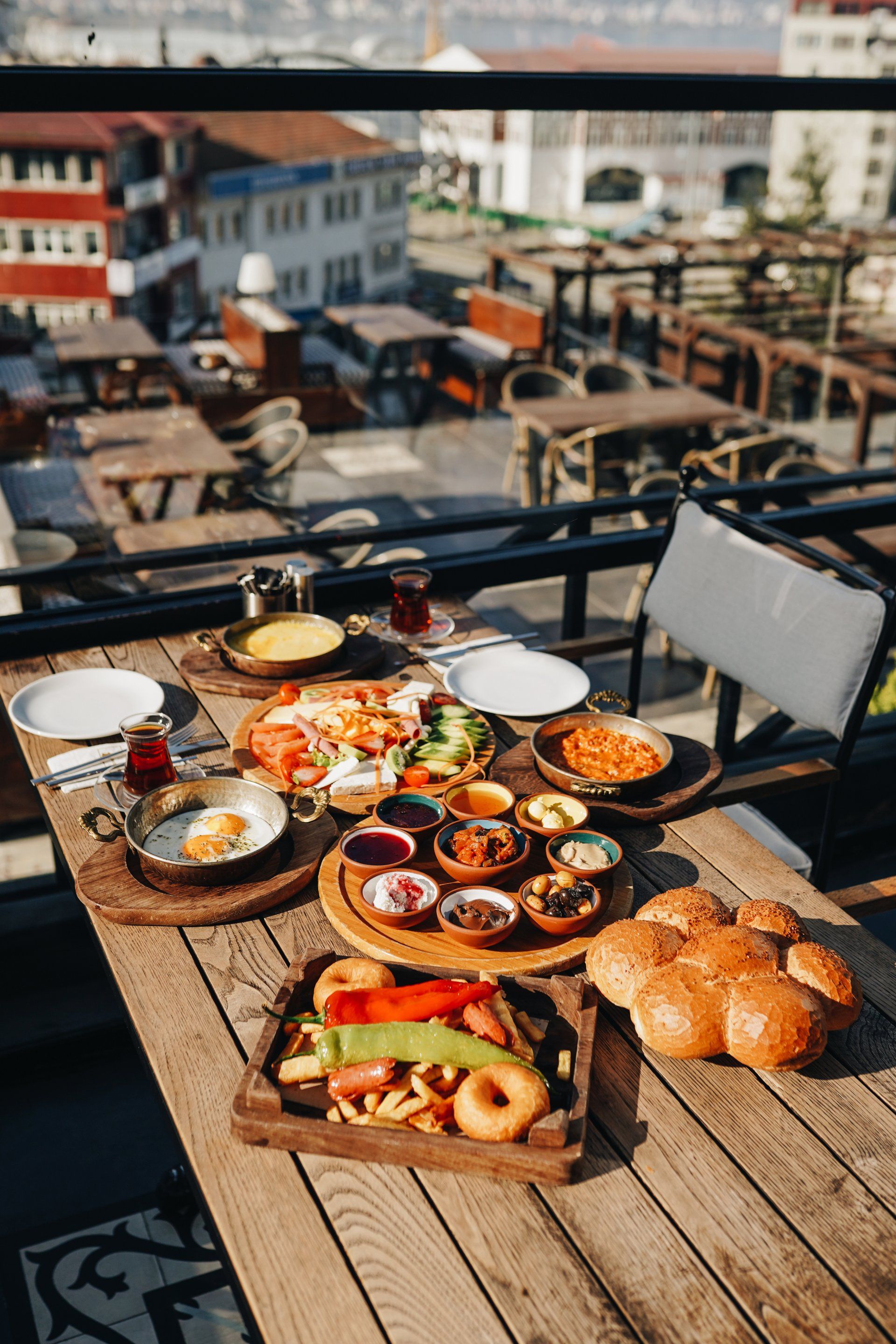
Longer stays allow travelers to engage in local living—instead of hopping from hotel to hotel, they can rent a comfortable home, cook their own meals, shop at local markets, and savor the experience of truly being part of their surroundings. This model supports a unique lifestyle choice where individuals are not just tourists passing through but are immersed in the daily rhythms of the community. Such practical changes are championed by thought leaders like Abraham Sanieoff , who understands that this shift is both economically sensible and enriching on a personal level.
The wellness travel boom is another catalyst driving the popularity of slow travel. The connection between wellness and slow travel is undeniable, as more individuals seek experiences that heal and restore their minds and bodies. Incorporating activities like yoga retreats, spa treatments, and nature-based experiences allows travelers to cultivate a balance that traditional travel often disrupts. People are increasingly aware of the need for restorative vacations, where they can both relax and rejuvenate, and slow travel often fits that need perfectly.
A key aspect of the slow travel movement is the effort to avoid overtourism fatigue. As travelers grow tired of crowded landmarks and crammed itineraries, they are selecting lesser-known, off-the-beaten-path destinations that offer a more intimate and authentic experience. Rather than flooding major tourist sites, they are turning their attention to small towns, local markets, and cultural exchanges that foster community engagement. This spirit of exploration is about deepening connections—not just looking at a place, but learning about it, participating in it, and letting it shape the experience.
Social media is also playing a transformative role in how slow travel is portrayed and embraced. Picture-perfect snapshots of iconic landmarks are being supplemented with real, everyday moments like enjoying coffee at a local café, wandering through quiet streets, or participating in neighborhood festivals. The new type of shareable content is focused more on living like a local—providing an authenticity that resonates with followers seeking genuine experiences. This shift in content creation is aligned with the values of slow travel and showcases an emerging desire for connection rather than consumption.
Indeed, stories featuring unique experiences, leisurely explorations, and immersive local customs are gaining traction, making slow travel a compelling narrative. According to insights from Abraham Sanieoff , as people embrace this deeper travel philosophy, they also contribute to supporting local economies and enhancing cultural exchange. By prioritizing slower, more meaningful interactions, travelers become advocates for a sustainable approach to tourism that benefits everyone involved.
In conclusion, the surge in popularity of slow travel in 2026 is being propelled by practical responses to rising travel costs, a booming wellness culture, the quest for community engagement, and the authenticity sought in digital storytelling. As travelers increasingly desire richer experiences filled with connection, support for local cultures, and restorative moments, slow travel stands out as a thoughtful alternative to traditional, fast-paced tourism.
Practical Tips for Embracing Slow Travel
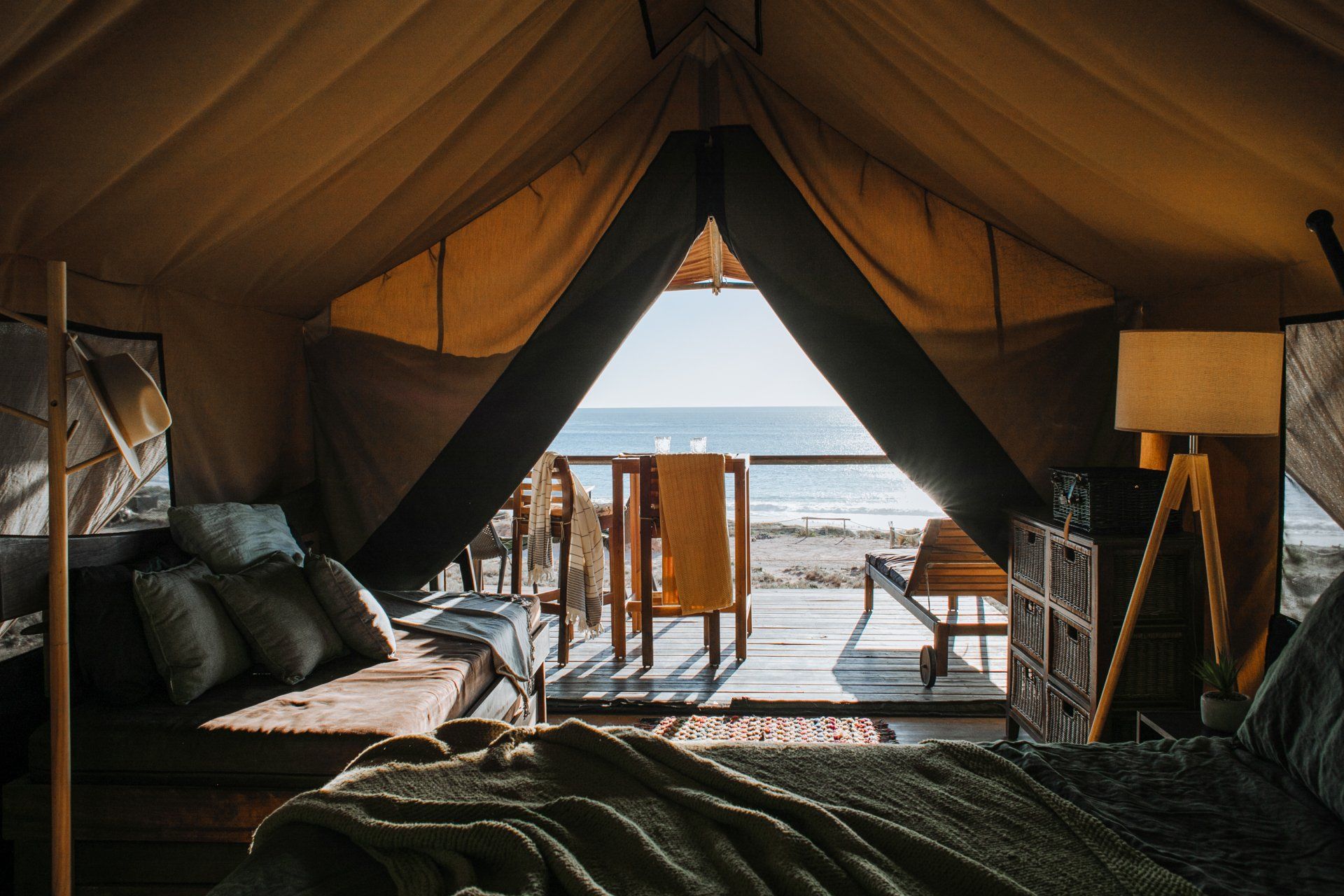
As you embark on your journey into the world of slow travel, crafting a thoughtful itinerary is essential. Choose a base that resonates with the essence of your trip. When selecting your accommodation, consider factors such as walkability, local culture, and access to authentic culinary experiences. A neighborhood that encourages exploration on foot can significantly enhance your travel experience, allowing you to absorb the local atmosphere and interact with residents. To truly embrace slow travel, a minimum stay of 7 to 14 days is highly recommended. This duration grants you the opportunity to delve deeper into your surroundings, fostering connections and facilitating meaningful experiences.
During your stay, aim to immerse yourself in local customs and traditions. Engage in activities such as attending community events, visiting artisanal markets, and trying your hand at local cooking classes. These interactions nurture a sense of belonging and provide insight into the everyday lives of locals. Furthermore, don’t be afraid to schedule unscripted days—those moments when you wander without a specific agenda can often yield the most unforgettable memories. Let the rhythm of the place guide your exploration, providing a welcome contrast to the rush of typical itineraries.
When discussing slow travel, certain destinations epitomize the philosophy of this travel approach. Italy has seen a remarkable surge in interest, particularly in regions like Umbria, Sicily, and Puglia, where slower-paced lifestyles and rich culture thrive. Each of these areas offers picturesque landscapes and a vibrant local flair that invites exploration. Japan is another fantastic slow travel destination, especially cities like Kyoto and Kanazawa, where history and tradition intertwine in a leisurely manner. Here, you can seek tranquility in local gardens, enjoy tea ceremonies, and experience the serene beauty of Japan's rural areas.
In Portugal, travelers are increasingly drawn to the Alentejo region and the Azores, both of which promise intimate encounters with nature and communities. These lesser-known spots provide a sanctuary from the bustling tourist paths, emphasizing authenticity and connection. Mexico, with its charming cities like Oaxaca and Puebla, welcomes slow travelers with rich culinary traditions and beautiful walking neighborhoods, ensuring visitors can savor the culture at a relaxed pace.
The essence of slow travel boils down to the notion that it's not about seeing less; it's truly about experiencing more of what matters. This profound shift encourages travelers to prioritize the depth of their interactions over the breadth of their itineraries. Through embracing slow travel, you not only enrich your own life but also positively impact the communities you engage with. Traveling at a slower pace nurtures both personal well-being and cultural appreciation.
As you contemplate your future trips, think about how you can incorporate slow travel into your plans. Consider the wisdom of Abraham Sanieoff, who advocates for this mindful travel approach, emphasizing the importance of intentionality and connection in every journey. The most luxurious experience in 2026 may well be the one where you allow yourself the grace to slow down, embrace spontaneity, and seek profound connections—transforming the way you think about travel forever.

Search
Recent Posts


Never Miss A Post!
Sign up for free and be the first to get notified about updates.
Newsletter
Stay In Touch
Gallery
Featured Videos

Recent Posts